Shaklee MLM Review 2025: Is It a Hoax or a Legit Program?
January 12, 2026If you’re searching around for honest info about Shaklee and its MLM (multilevel marketing) business model in 2025, you’re not alone. Shaklee has a long history in the wellness world, but newer folks often wonder: “Is this legit, or am I looking at a fancy health hoax?” I’ve spent plenty of time digging into Shaklee, both the business opportunity and the actual products, so you’ll get the full scoop from someone who’s not just reading from the brochure.
Here’s a quick breakdown of my own rating for Shaklee as an MLM income opportunity:
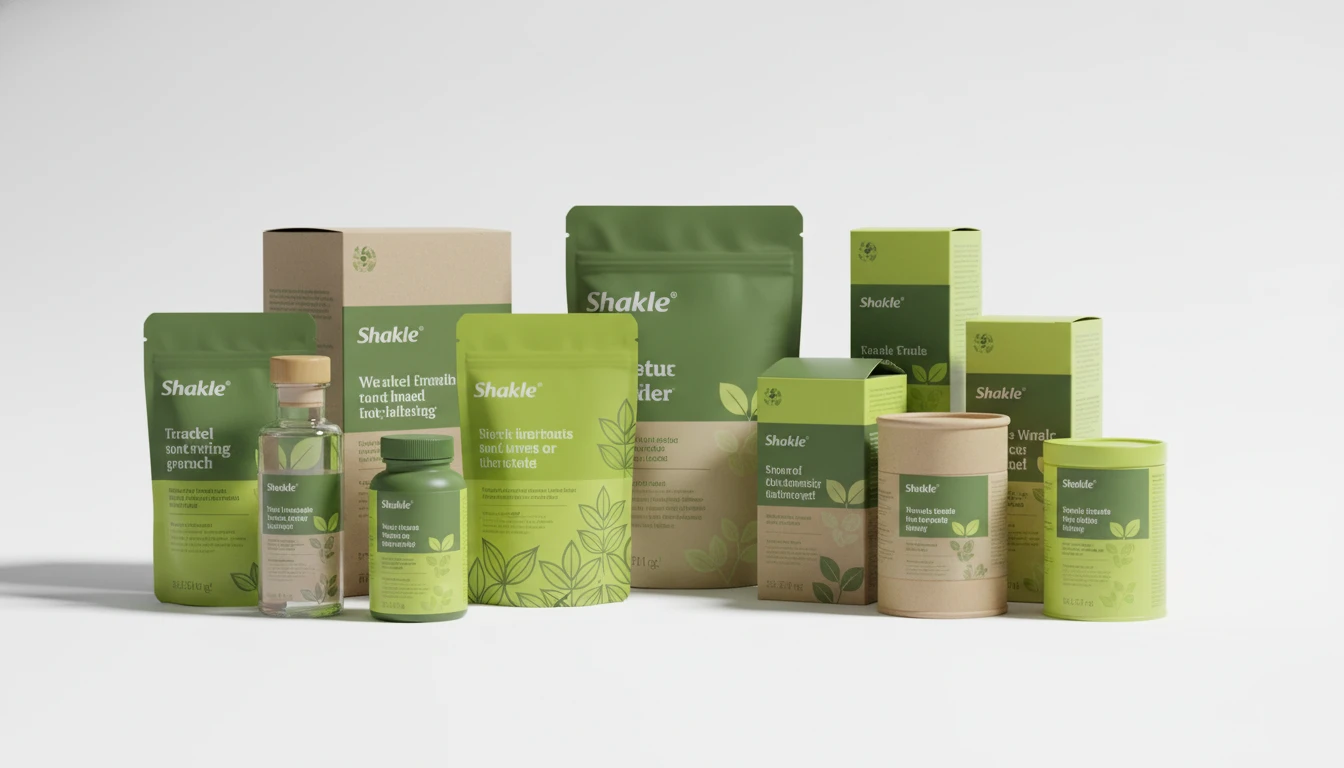
Company Name: Shaklee Corporation
Website: shaklee.com
Start-Up Cost: $49.95 (Basic Distributor Kit) to $299+ (Product Packs & Business Kits)
Founded: 1956 (by Dr. Forrest C. Shaklee)
Product Focus: Wellness supplements, household and beauty products
Community: Estimated hundreds of thousands of distributors globally
Overall Rating: 3.4/5
Consumer Trustpilot Rating: 2.8/5 (may vary by year and source)
Product Quality: 4.1/5
Income Potential: 2.5/5
Training & Support: 3.5/5
Payout Structure: Binary and Unilevel Hybrid, 30% commissions possible (see details below)
Is There A Free Trial: There is no free trial, but Shaklee offers a money-back guarantee on many products.
Shaklee isn’t new to the game. It’s one of the oldest network marketing health companies. For new people, this means you don’t have to worry about a fly-by-night scam, but you also need to know exactly what you’re getting into with the compensation structure, the time commitment, and the product costs. The full truth is a bit more nuanced than either fan pages or angry reviews let on. Shaklee’s reputation is built largely on this longevity and the loyalty of its core customer base.
How Shaklee Started: A Look at the People Behind the Company
The Shaklee program was started by Dr. Forrest C. Shaklee in 1956, a chiropractor and a bit of a health enthusiast long before “wellness” was even a buzzword. He developed one of the first multivitamins back in 1915. The company claims it has always been about natural products, environmental responsibility, and helping people build better lives.
The company changed hands in 2004 and is now led by Roger L. Barnett and his family. They’ve pushed heavily into the ecofriendly space, which is why you’ll hear a ton about plantbased everything. I think the founder’s healthcentered approach makes Shaklee a bit different from some newer MLMs that feel like pure cash grabs. But it’s also fair to say a company can change a lot in seventy years, and what mattered in the 1950s doesn’t always guarantee a good experience today.
What Products Does Shaklee Sell?
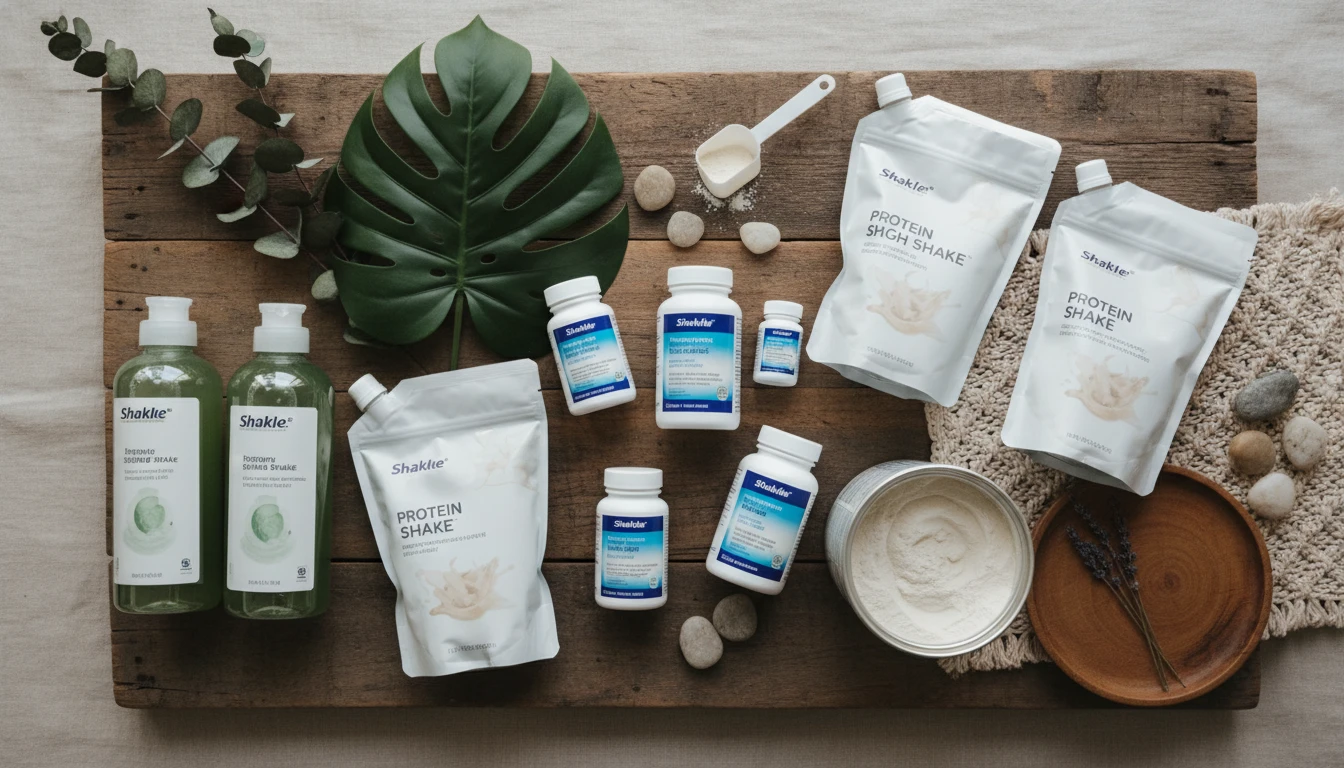
Shaklee’s catalog is huge. The flagship products are nutritional supplements (think: vitamins, immunity boosters, plant protein shakes). There’s also a bunch of personal care, green cleaning products, sports performance stuff, and more. Here are a few of the main categories I’ve personally checked out:
- Supplements: Multivitamins, B and C complexes, omega blends, probiotics, “immune support” blends
- Shakes & Meal Replacements: Plantbased protein powders (like Life Shake)
- Household Products: Dish detergents, cleaners, laundry products (all marketed as biodegradable and safe for the environment)
- Weight Management: Options for shakes, snack bars, and supplements targeting weight loss
- Beauty & Skin Care: Moisturizers, serums, and sunscreen (pretty in line with the usual health/beauty MLMs)
One thing I appreciate: Shaklee puts a lot of science claims on their labels and backs it up with thirdparty certifications and public safety testing. The quality is generally good, but the prices are definitely above what you’d pay at a discount vitamin shop. There’s also a pretty strict product guarantee, so trying before you commit to reselling is easier than some MLMs.
How to Join Shaklee as a Distributor
Signing up for Shaklee isn’t tricky, but it’s definitely an “invite only” kind of MLM. You usually join by signing up under an active distributor (sometimes called a Shaklee Ambassador or Partner). Here’s how the process looks:
- Sign up with a sponsor/distributor link (you can find these everywhere: at home parties, Facebook invites, or from people pitching you on Instagram)
- Buy a Distributor Kit ($49.95), or one of the larger Business/Gold Packs ($129–$299+), which include products to sample or resell
- Agree to Shaklee’s policies (these include monthly volume expectations and marketing rules)
Shaklee doesn’t force you to buy tons of inventory up front, but you’ll get a lot of pressure to start with a Business Pack. Many new distributors are told this helps with bonuses and building “momentum,” but I’d recommend starting as lean as possible unless you’ve already become a fan of the products for personal use.
Monthly minimums for active status hover around 100 PV (Personal Volume), often $100 to $150 worth of product purchases a month if you want to qualify for commissions. These numbers can change, so always double-check before investing.
How Much Money Can You Really Make With Shaklee?
Most Shaklee reviews skip right from “It’s a great opportunity!” to income stats that, to put it mildly, are bestcase scenarios. I want to walk through what’s realistic for most people so you don’t get caught off-guard.
Shaklee has one of the more complicated comp plans in the health MLM niche, combining a hybrid of binary and unilevel mechanisms. You earn money three basic ways:
- Retail Profit: Sell products directly to regular customers at retail price. Usually a 10 to 25% markup, depending on the item.
- Bonuses: Fast Start, Power Bonus, and bonuses for recruiting new team members or advanced sales.
- Residual Income: Earn a percentage (usually small at first) from your downline’s sales and the overall group volume.
Shaklee publishes an annual income disclosure statement (worth checking carefully). Based on numbers from recent years, here’s what I found:
- Up to 85% of new distributors earn less than $500 a year (after expenses, many people don’t break even)
- Only a tiny percentage (less than 3%) earn a full-time income (defined as $20,000 or more per year)
- Most of the high earners are team leaders with huge, established downlines (think: years of hard work, building, recruiting, and training others)
- Expense: Regular monthly product purchases and business costs needed to qualify for many bonuses
Some Shaklee fans argue that strong sales skills or a huge social circle can break this pattern. While there are success stories, the average new distributor will find that making a few hundred dollars a month is already a big accomplishment. I’ve seen people spend hundreds each month trying to reach those higher levels, only to quit after a few tough paychecks. It’s really important to treat any income claims you hear from recruiters with a grain of salt unless they show you the actual data or income statement.
Shaklee Products: Are They Actually Good?
This is one of the most positive areas for Shaklee, in my experience. While Shaklee’s prices are on the higher side, the product quality tends to be well above average. Here are some of the highlights that stood out for me:
- Thirdparty tested supplements (many NSF or USP certified for ingredient quality)
- Ecofriendly packaging and formulations (fully biodegradable cleaners, vegan and nonGMO content where labeled)
- Decades long repeat buyers and strong brand loyalty for classics like BasicH cleaner or the Life Shake
- Transparent labeling, including full ingredients and allergen info
Where Shaklee falls short is mainly in cost; most products are expensive compared to similar generic options. For some shoppers, the certifications and green efforts are worth it. For others, not so much.
There have been a few product recalls over the years, but nothing out of the ordinary or suggesting any shady manufacturing. If you’re going to sell for Shaklee, it’s really beneficial, maybe even necessary, to try a bunch of their popular products yourself to figure out genuine favorites before you start pitching people online or in person.
Training, Support, and the Shaklee Community
I’ve joined and tested a bunch of health MLMs over the years, and I can genuinely say Shaklee’s training and distributor resources are above average. Here’s what you get:
- Online back office and dashboard with stepbystep sales resources
- A huge digital library—think PDFs, “success” calls, product info sheets
- Weekly webinars and virtual events (often hosted by established leaders, with guest presentations)
- Plugandplay social media graphics and compliance tips
- Direct mentor support from your sponsor and team Facebook groups
The best training is almost always linked to your personal upline. I’ve seen some teams with full video marketing courses and teamonly coaching; others just send the basics and hope for the best. The company as a whole offers ongoing digital training, but I’d be lying if I said you’ll get the same hands-on training across every team. Some new distributors get left in the dark and have to figure things out on their own. In MLM, the right sponsor is super important if you want to build real results.
Marketing Shaklee in 2025: Is It Still Worth the Challenge?
The world of homebased business has changed a ton since the 1950s. In 2025, almost all Shaklee sales and recruiting happens through social media (Facebook, Instagram, and short videos especially), with less focus on the personal home parties of decades past.
- Distributors are encouraged to share product testimonials, host virtual events, and even partner with microinfluencers.
- Shaklee now has digital ordering and customer tracking built into the distributor back office, which is actually pretty handy if you’re managing customers online.
- The company can be strict about compliance; exaggerated testimonials, cure claims, or offbrand logos can get you flagged or even be grounds for termination as a distributor.
With all that said, MLM is now competing hard with easier, less pressured ways to make money online. It’s common to see ex-distributors move on to affiliate marketing, Etsy shops, or even offering their own coaching programs, instead of sticking with monthly sales minimums and recruitment targets. You should size up your goals honestly and decide if this model fits your personal style.
The Pros and Cons of the Shaklee Income Opportunity
If you’re seriously thinking about joining, I’d say step back and weigh the actual upsides and downsides. Here are some of the points I consider really important:
The Upsides:
- One of the oldest, most stable companies in MLM
- Products generally high quality, with a strong eco focus
- Decent training, especially for product knowledge
- No forced bulk stockpiling (unlike some other MLMs)
- Money-back product guarantee means lower risk to try
The Downsides:
- Low average income for new distributors (most people spend more than they earn)
- Heavy emphasis on team building and recruitment. Real long-term money comes from building a huge downline
- Product prices are much higher than what you’ll find at Target, Amazon, or the local vitamin shop
- Monthly minimum PV to stay active and qualify for bonuses
- Team, sponsor, or “upline” support can be hit or miss; your results depend a lot on who recruited you
- MLM stigma: many customers prefer to buy direct (not through an MLM rep), and there are legal hurdles in some regions around recruitment
Is Shaklee a Pyramid Scheme or a Scam?
This is one of the first things most people ask as soon as they hear “MLM.” Here’s how I explain it:
- Shaklee is not a classic pyramid scheme. There are actual products and retail customers, and you can make retail sales without ever recruiting others.
- That said, the vast majority of income in Shaklee comes from building a team. If you’re just selling to friends and family, you’ll hit a ceiling quick.
- The FTC has guidelines about MLMs—such as requiring that most sales come from real customers, not just new signups. Shaklee’s long-term operation and relative lack of major legal issues (compared to several other MLMs) suggest it’s following those rules reasonably well.
Shaklee is NOT a scam or ILLEGAL pyramid.. But the pay plan heavily encourages building bigger downlines, and that means the structure can start to look like a pyramid. Realistically, most people in Shaklee will earn small change unless they’re recruiting a lot or unless they’re natural product influencers with a big following.
What the Actual Data Says: Shaklee Income Disclosure
This is where it gets real for most new recruits. Shaklee, like all legit MLMs, is required to publish yearly income disclosure statements. These show what people are truly making, not just best case “top earner” stories.
Here’s what’s typical based on their recent data (always check the most current report):
- Roughly 80 to 85% of Shaklee partners earn under $1,000 per year in commission before expenses
- The average annual earnings for a base level distributor is around $200 to $400 not excluding the cost of your own monthly product purchases, marketing expenses, and similar costs.
- Midlevel team leaders make $2,000 to $6,000/year, while top leaders with huge organizations can break $10,000 or more per year (these are often longtime veterans)
- Only about 1% make enough for fulltime income, and this group usually spends years building big, productive teams
If your goal is to make a realistic side hustle income ($100 to $500/month), keep in mind that you’ll need to work at it consistently and factor in the cost of products and promotional tools. Very few newbies make money quickly, and persistence is key (plus, a tolerance for rejection).
Product Pricing, Shipping, and the Shaklee Return Policy
I get asked a lot: “Are Shaklee products worth the money?”
- Pricing: Generally 20 to 50% higher than store brand options. Discounts for autoship subscribers and active distributors, but usually still more expensive.
- Shipping: Flatrate and free shipping promos for larger orders are pretty common (especially for Preferred Members). Distributors get better shipping rates when placing larger, consolidated orders for events or customer dropshipments.
- Returns: Most products are backed by a 100% satisfaction guarantee. Easy refunds for first time buyers or defective/damaged shipments; worth reading the official Terms of conditions.
If your customers love top-tier ingredients and eco claims, they might pay the premium. For bargain shoppers and busy families, the pricing can be a sticking point.
Tips for Succeeding With Shaklee as a New Distributor
- Start as a customer first: Test the products and find some you genuinely enjoy before you try pitching them to others. That is how you should begin anyway.
- Go slow on inventory: You don’t need to keep a closet full of product to start. High inventory can break you. Build based on real demand.
- Find a trainingfocused upline: Some Shaklee teams are fantastic with support, others not so much. Picking the right mentor matters more than most people realize.
- Avoid “spammy” sales tactics: Social media can either help you or tank your relationships. Focus on value, stories, and testimonials. Skip the pressure sales.
- Understand your income plan: Take time to review the actual Shaklee payout structure. Don’t just rely on your sponsor’s pitch; look over the published compensation breakdowns yourself.
- Keep track of monthly costs: It’s easy to overspend chasing ranks and bonuses. Make sure you’re building more real sales than just buying your own product each month.
People who do well tend to treat Shaklee like a real business, with planning, budgeting, and a steady approach to networking rather than quick wins.
Comparing Shaklee to Other MLMs: What Makes It Different?
Shaklee is slightly different from many new health and wellness MLMs, such as Matilda Jane, but there are strong similarities too. Here are a few things that make it worth considering if you’re researching multiple options:
- Longevity: Most wellness MLMs come and go within a decade or less. Shaklee’s long lifespan means it’s done a better job at surviving legal and market challenges than many competitors (like Advocare or Vemma, both of which faced major government crackdowns).
- Product Focus: Shaklee has a fanbase for its green cleaning and classic vitamins; actual repeat buyers who aren’t just distributors. Some newer MLMs only have buzz around skincare or weight loss and struggle to keep customers returning each month.
- Compensation Complexity: The pay plan is detailed, with multiple bonus paths; good for advanced sellers, but confusing to newbies. Simpler hybrid plans (like the one at Neora) may be easier for some.
- Compliance and Transparency: Shaklee tends to avoid some of the big lawsuits and scams that tanked other companies (look up the Advocare and Herbalife scandals for context). It publishes annual income reports and sticks close to FTC compliance, a positive if you want to avoid drama, but it also means less freedom for wild “financial freedom” claims in your marketing.
Community, Events, and the “Shaklee Family” Culture
One thing I picked up quickly is Shaklee’s emphasis on community. There’s a real sense of “family” among long-term distributors and product superfans. You’ll see:
- Annual conferences and virtual events where distributors connect; these can be great for networking and inspiration, though sometimes pricey to attend
- Recognition programs for top sellers, car bonuses, and leadership achievement awards
- Online forums, private Facebook groups, and Zoom meetups run by Shaklee teams
Some folks love the recognition and camaraderie, while others may find it a bit intense. Either way, the chance to make friends, gain business mentors, and learn from longer-term distributors is real. This culture can make sticking with the company more rewarding for the right personality type.
“Eco” and “Wellness” Trends: Does Shaklee Still Stand Out in 2025?
The wellness market is more crowded than ever, with both MLMs and standard consumer brands calling everything “clean,” “organic,” or “ecofriendly.” Here’s where Shaklee actually still holds up pretty well:
- Most formulas are certified nonGMO or organic, or are at least plantbased; buyers who love green living see this.
- Household line uses compostable, refillable packaging—something not every competitor offers
- Environmental awards and third-party certifications mean the claims aren’t just marketing talk
- Product safety standards are higher than some rival MLMs, especially in the supplement space
If you’re passionate about health and climate issues, Shaklee’s product line gives you a lot to talk about on social media, and scientific studies published on ingredient safety are a plus.
Common Questions About Shaklee in 2025
I get a lot of variations on the same questions, so here’s a quick round-up if you’re still on the fence about Shaklee:
- Can you join Shaklee without selling or recruiting?
Yes, you can join as a “Preferred Member” or retail customer and get product discounts, with no need to sell. The business kit is only for distributor status if you want the income opportunity. - Is it possible to make real money without recruiting a team?
You can technically earn money via retail sales only, but most higher earners rely on recruiting a downline. Retail profits alone are usually too low for meaningful side income, unless you have serious sales skills and a big network. - Are there any hidden costs or pressure to buy inventory?
Large inventory stocking isn’t required, but there’s an ongoing monthly PV minimum if you want to build a team and earn bonuses. You also might feel pressure from your upline to “stay active” or hit higher sales targets each month. - Does Shaklee offer a free trial?
Not exactly, but most products have a 100% money-back guarantee if you try them and don’t like them.
The Big Takeaway: Who Is Shaklee For?
After my research about Shaklee, I’d say the best fits for the opportunity usually have these traits:
- They genuinely love wellness, supplements, and ecoliving, and want to share that passion
- They already use and recommend Shaklee products to friends before being recruited
- They’ve got a network of like minded people to share with, either in person or online
- They’re looking for flexible, social driven side income rather than quick riches
- They’re comfortable with rejection and persistent about follow up; MLM sales takes a thick skin and consistency
If you’re just looking for quick, easy online income or dislike the idea of selling to friends and family, there are better business models to consider. But if you love building relationships, learning sales, and are okay with steady, slow (sometimes tiny) growth, Shaklee is a more stable bet than most health MLMs in 2025.
Comparing 2025’s Income Opportunities: Shaklee vs. Affiliate Marketing, Dropshipping, and More
Everyone wants to know: why join Shaklee when you could start affiliate marketing, dropshipping, or some other online hustle? Here’s what I’ve learned:
- MLM/Network Marketing (Shaklee): Great for social extroverts, people who like joining teams, and those who love holistic health. Real income is slow, and only a handful make real money. The pros are builtin support and proven product lines; the cons are the stigma, pressure to recruit, and slow earnings.
- Affiliate Marketing: No-cost to start and no product purchases required. Income potential is bigger, but requires learning SEO and content. No team to lean on, which can make the process lonely for some.
- Dropshipping: No inventory, but lots of setup work and competition. You’ll need marketing skills and have to handle customer service yourself. Higher risk but also higher ceiling on profits.
- Direct Sales (no MLM): Some brands now offer direct distribution with commission but without recruitment. Worth considering if you dislike the MLM team model.
- Gig Economy: App jobs, rideshare, delivery apps, freelancing; they are easier, with faster pay, and have much more clear earning structures.
I don’t see MLM as “better” or “worse”—just different. For personality types who love connection and group hustle, it’s worth a try. But for pure entrepreneurs or busy people with no time for extra meetings or training calls, simpler, non eamfocused online businesses make more sense.
What Real Users Are Saying: Shaklee Reviews From Around the Web
I always check out independent reviews (outside corporate channels) anytime I’m researching a company. For Shaklee, the feedback is mixed but mostly falls into two camps:
Positive reviews focus on longtime product loyalty, better digestion or energy, green cleaning results, and the sense of community support. Even after years, many users stick with BasicH and the vitamins because of family tradition or results they feel have made a difference.
Negative reviews often mention high prices, lackluster business growth, and unsupportive uplines. Some users are frustrated by monthly sales quotas, while others just didn’t like the “constant selling” culture or ran out of friends to pitch. Occasional product complaints (shipping errors, taste preference) are present, but not out of line for a company this size.

I think the truth is somewhere in the middle. If the products genuinely excite you and you’re okay with the slow pace of typical MLM earnings, it can be a positive side hustle. But if you want to make significant money fast or don’t already have a big circle of wellness fans, the frustrations can outweigh the perks.
Pricing and Getting Started: What to Expect as a Shaklee Partner
If you’re ready to jump in, you’ll be picking from a few basic options:
Basic Distributor Kit: $49.95 (US)
This gets you your own Shaklee business site, the right to earn commissions, and some basic training materials. Good for minimal risk, but you won’t have products to sample or sell. Most team leaders push you toward buying a business “product pack.”
Product/Business Packs: $129–$299+
Packs are different each year, but they include a mix of topselling supplements, cleaning products, and sometimes exclusive new releases to get you started. If you’re genuinely interested in the products and don’t mind the outlay, these sets make it easier to start sharing and earning bonuses (some accelerated earnings require a larger starting pack).
Ongoing Monthly Costs: To earn commissions and qualify for bonuses, you’ll need to buy or sell a monthly minimum (usually 100 PV, equal to $100 to $150 in product). You can meet this by having regular customers or by buying for your own household, but it’s definitely something you need to watch for in your monthly budget.
I personally recommend trying a few customer favorites before buying a big pack or recruiting friends. That way, you’ll know if the company style, product quality, and sales expectations fit you.
My Thoughts and Final Tips on Shaklee in 2025
After years of following health MLMs and research, here’s my honest take on Shaklee for anyone still weighing the opportunity:
- Shaklee is pretty stable in a market where most new MLMs fade or hit legal trouble in under a decade.
- Product quality and eco efforts are real, and the company makes a strong case for safety and sciencedriven health claims.
- Income is limited for most distributors; budget carefully, and don’t expect full-time pay unless you’re ready to work the program extremely hard (and have a natural gift for sales).
- The community aspect can be a huge perk if you love support, recognition, and group hustle. But it’s easy to spend more than you make if you get swept up in the hype.
- Shaklee is not a scam or illegal. It’s just a tough business model where success is possible, but rare for the part-timer. Training and mentorship matter more than company marketing or topearning stories.
Your best bet is always to start as a customer, talk to several current distributors at different levels, and ask for the most recent income disclosure statement before you buy a business kit. Careful research helps new partners make informed choices about spending, recruitment, and the best way to build actual, steady income, however small or large that may end up being for you.
If you’ve got specific questions, want firsthand stories, or need advice comparing other MLMs or side hustles, drop your comment below or find me on social media. I’m here to give honest feedback so you can avoid beginners’s mistakes and make confident business choices!